
Targeted strategies for clear skin
Decoding the science of acne treatment
Understanding the root causes helps in selecting the right therapy, transforming a cycle of breakouts into a journey toward lasting skin health and renewed confidence.
Identifying different acne types
Distinguishing between non-inflammatory clogged pores and deep, painful cysts determines the most effective course of action for treatment.
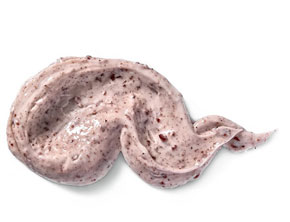
Non-inflammatory comedones
Blackheads and whiteheads remain at the surface level, caused primarily by excess oil trapping debris within the pore without causing redness or swelling.
Inflammatory papules and pustules
Bacteria invade the clogged follicle, triggering an immune response that results in red, tender bumps often topped with pus due to localized infection.
Deep nodulocystic lesions
These painful lumps form deep within the dermis, carrying a high risk of scarring and requiring systemic intervention rather than simple topical applications.

Strategic pharmacological approaches
Building a resilient barrier
Daily skincare essentials
The pillars of daily maintenance
A disciplined approach involves more than just fighting spots; it requires supporting the skin’s microbiome and pH balance to prevent future irritation and maintain a healthy, defensive shield against external pathogens.


Balanced pH cleansing
Using slightly acidic cleansers preserves the acid mantle, preventing the over-drying that often triggers a rebound effect of increased oil production.

Exfoliation and renewal
Chemical exfoliants like glycolic acid gently dissolve surface bonds, encouraging fresh skin cells to surface and preventing the accumulation of pore-clogging debris.

Hydration and repair
Oil-free moisturizers containing hyaluronic acid draw water into the skin, ensuring it remains plump and calm even when using drying acne medications.

Sun defense measures
UV exposure darkens acne scars and thickens the stratum corneum, making daily SPF application crucial for healing and preventing long-term texture issues.
Spot treatment precision
Applying concentrated actives only to affected areas minimizes irritation to healthy skin while delivering maximum potency exactly where the inflammation is active.
Environmental and internal triggers
External factors and internal habits continuously interact with genetic predispositions to either calm or aggravate skin conditions.
Dairy consumption impact
Certain milk proteins can mimic hormones in the body, potentially exacerbating inflammation and oil production in individuals with specific sensitivities to lactose or whey.
Stress management techniques
High stress triggers the adrenal glands to release cortisol, which directly stimulates sebum production, leading to the common phenomenon of stress-related breakouts.
Hygiene regarding fabrics
Frequent changing of pillowcases and face towels regularly helps reduces the reintroduction of bacteria and oils to clean skin, preventing mechanical acne formation.
Clinical procedures and therapies
Dermatologists employ advanced technologies to tackle stubborn acne that resists topical care. Photodynamic therapy uses light energy to shrink oil glands, while comedone extractions performed by professionals ensure rapid clearing without tissue damage. Corticosteroid injections provide immediate relief for deep, inflammatory nodules, flattening them within hours and significantly reducing the risk of permanent localized scarring.
Managing acne scarring
Once active lesions subside, the focus shifts to texture correction using fractional lasers or microneedling to stimulate collagen and smooth out depressions.
Treating post-acne marks requires patience and a tailored approach based on scar type. Rolling scars often respond best to subcision, where fibrous bands are released under the skin. Ice pick scars may require chemical reconstruction (TCA cross), while hyperpigmentation fades gradually with the help of tyrosinase inhibitors and rigorous sun protection during the recovery phase.